
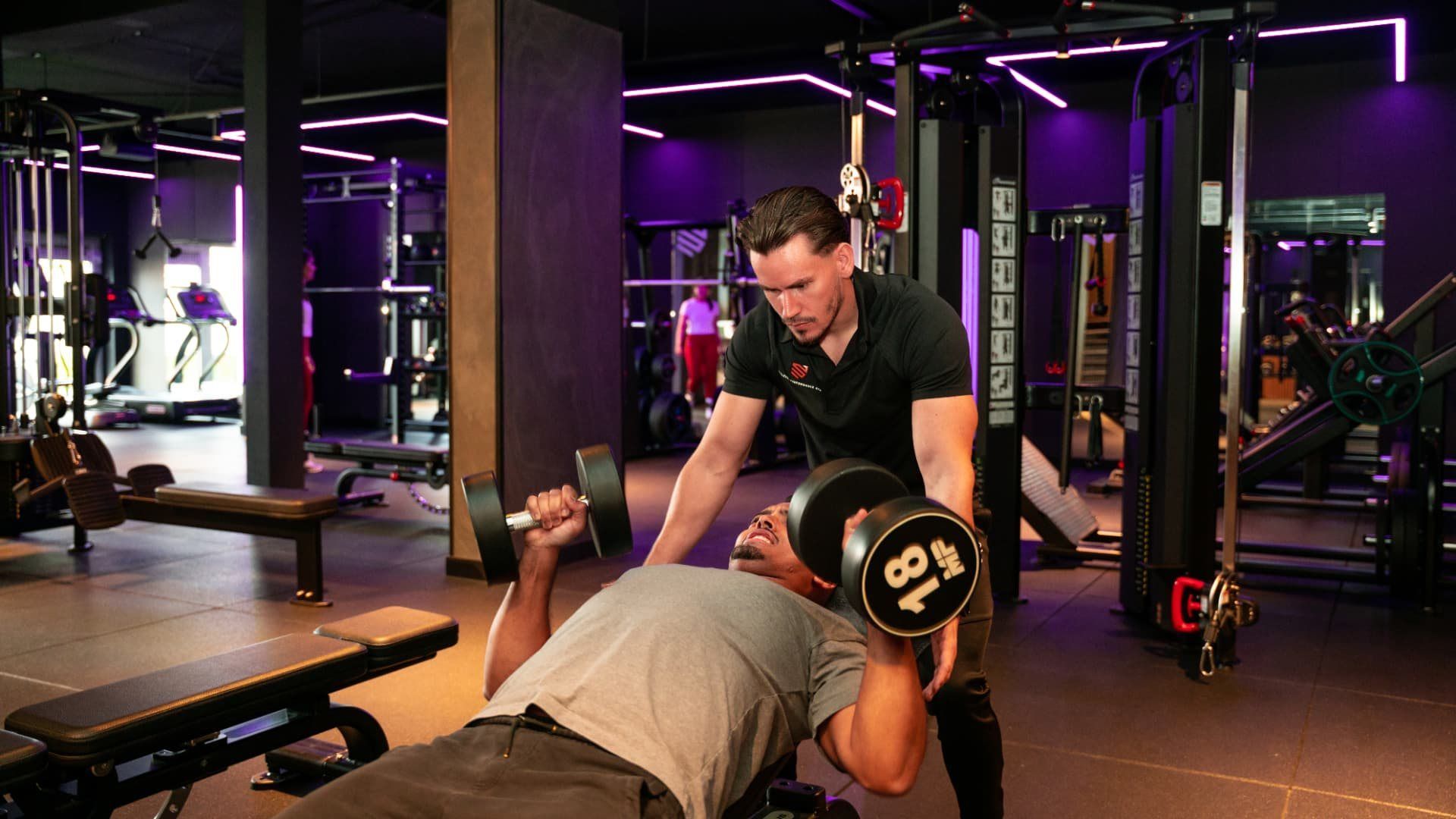
Why muscle matters
Muscle supports strength, balance and everyday movement. Many people lose some of it gradually with age, and the loss is easy to miss when body weight stays the same.
What to track
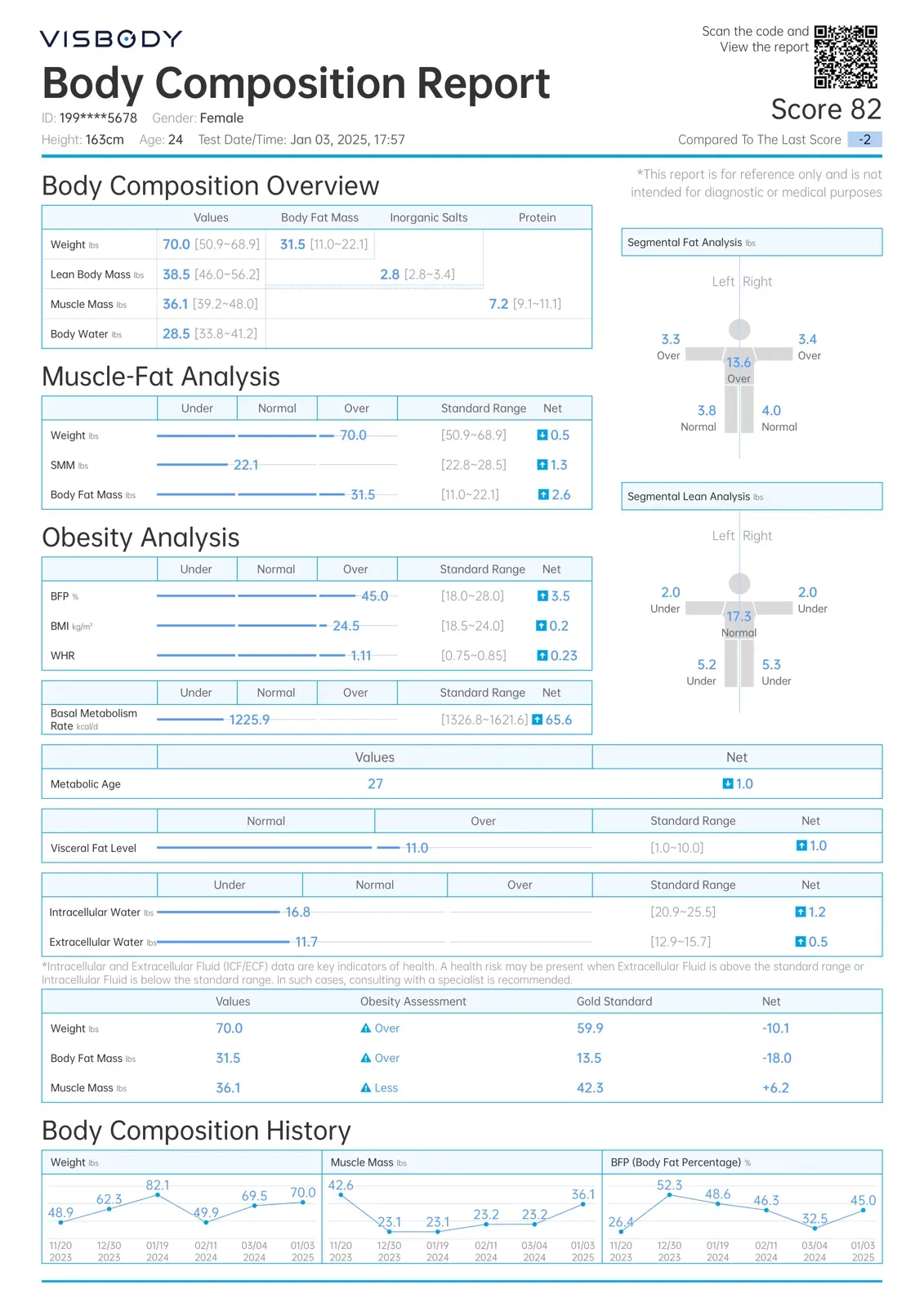
- Total muscle mass
- Muscle mass by segment: arms, legs and trunk
- Body fat and visceral fat level
- Waist-to-hip ratio and circumferences
- Posture, plus shoulder and neck mobility
Why segments help
Reading arms, legs and trunk separately shows where muscle is changing and whether one area lags. That gives a coach something concrete to act on.
A simple 12-week rhythm
Take a baseline scan, train and eat to a plan, then re-scan after 12 weeks at a similar time of day and hydration. Compare the reports, adjust the plan and repeat.
Measure this in your business
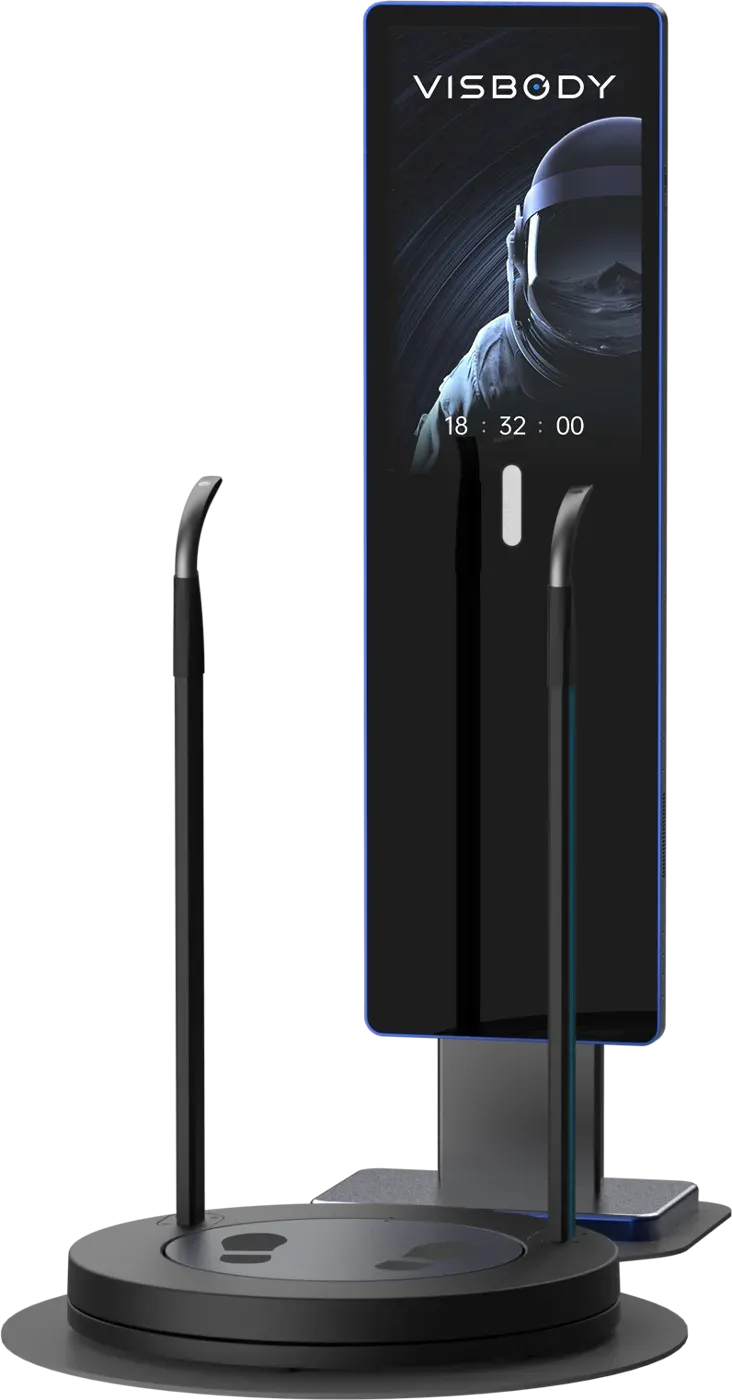
- Entry modelVisbody M503D Intelligent Body Assessment Mirror.From €199 per month
- Mid-rangeVisbody M60The ultimate health assessment device.From €299 per month
- Premium flagshipVisbody T55The ultimate health & fitness assessment device.From €399 per month
Lease based on 60 months, subject to financing approval. Excl. VAT.